Rethinking Success: Recognition Beyond Traditional Degrees
Rethinking Success: Recognition Beyond Traditional Degrees has become an important conversation in today’s rapidly evolving world. For generations, academic degrees were considered the primary pathway to success, social recognition, and career advancement. A university diploma often served as proof of expertise, intelligence, and professional readiness. However, the modern landscape is changing. Technology, entrepreneurship, digital learning, and alternative career paths are reshaping how society defines achievement.
Today, many successful individuals have demonstrated that formal education is only one route among many. Skills, experience, innovation, leadership, and community contributions are increasingly valued alongside traditional academic qualifications. As industries evolve and opportunities become more diverse, people are beginning to question whether success should be measured solely by educational credentials.
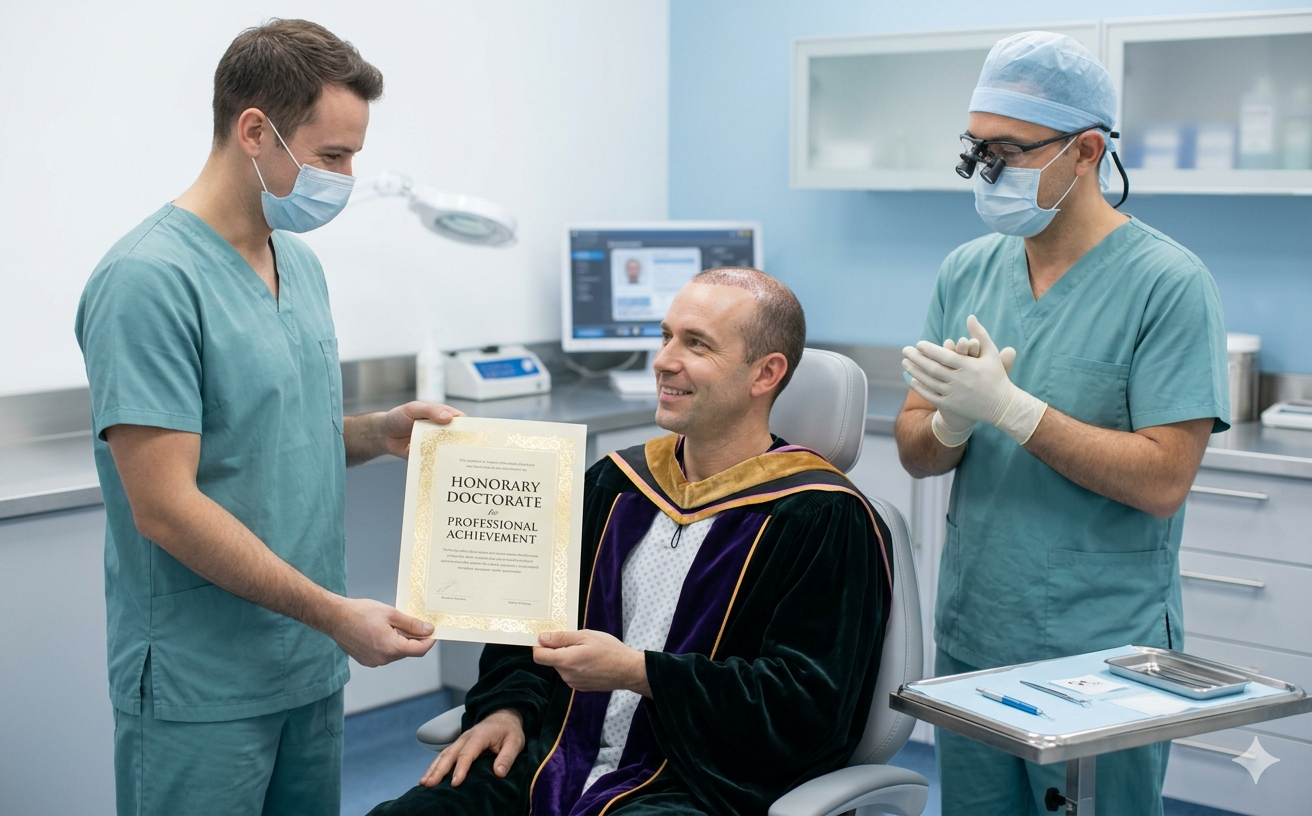
This shift encourages a broader understanding of Honorary Doctorate For Professionals and achievement. It invites individuals to focus on impact, capability, and lifelong learning rather than relying exclusively on formal degrees.
The Traditional View of Success
For decades, educational institutions have played a central role in shaping career opportunities. A bachelor’s degree, master’s degree, or doctorate was often viewed as a symbol of expertise and dedication. Employers commonly used academic credentials as a screening tool when evaluating candidates.
This traditional model offered several benefits. Degrees provided structured learning, standardized assessments, and recognized qualifications. They helped individuals gain specialized knowledge and opened doors to professional careers in fields such as medicine, law, engineering, and education.
However, the assumption that degrees automatically guarantee success has become less certain. Economic shifts, technological advancements, and changing workforce demands have revealed limitations in relying solely on academic credentials. Many graduates face competitive job markets, while individuals without traditional degrees have found alternative routes to success.
Why Society Is Rethinking Success
The concept of success is evolving because the world itself is changing. Digital transformation has created opportunities that did not exist a generation ago. Entrepreneurs, content creators, software developers, digital marketers, and freelancers often build successful careers through practical experience rather than formal education.
Employers increasingly seek individuals who can solve problems, adapt to new technologies, communicate effectively, and demonstrate real-world skills. In many industries, portfolios, certifications, project experience, and measurable achievements carry significant weight.
This shift reflects a broader recognition that learning occurs in many environments. People acquire valuable knowledge through work experience, mentorship, self-study, online courses, volunteer activities, and personal projects. As a result, success is being redefined to include diverse forms of expertise and contribution.
The Rise of Skills-Based Recognition
One of the most significant developments in recent years is the emphasis on skills-based recognition. Organizations are focusing more on what individuals can do rather than where they studied.
Skills such as leadership, communication, critical thinking, creativity, and technical proficiency often determine workplace performance. Employers increasingly value candidates who can demonstrate practical abilities through real examples and accomplishments.
Professional certifications, digital badges, industry training programs, and specialized workshops provide alternative ways to showcase competence. These credentials often focus on current industry needs and can be completed more quickly than traditional degree programs.
The growing popularity of skills-based hiring reflects a broader understanding that talent can emerge from many educational and professional backgrounds.
Entrepreneurship and Alternative Pathways
Entrepreneurship has played a major role in changing perceptions of success. Many business owners and innovators have achieved remarkable accomplishments without following conventional academic paths.
Starting a business requires problem-solving, risk management, leadership, creativity, and resilience. These qualities are often developed through practical experience rather than classroom instruction alone.
The internet has expanded opportunities for entrepreneurs around the world. Individuals can launch online stores, create digital products, offer consulting services, or build personal brands with relatively low barriers to entry.
As entrepreneurial success stories become more visible, society increasingly recognizes that achievement can result from initiative, determination, and innovation rather than formal educational credentials alone.
The Impact of Technology on Learning
Technology has transformed access to education and professional development. Online learning platforms provide courses on virtually every subject imaginable, allowing individuals to learn at their own pace and according to their specific goals.
People can now gain expertise through webinars, tutorials, virtual workshops, and interactive training programs. This flexibility enables learners to acquire practical skills without enrolling in traditional degree programs.
Technology also allows individuals to demonstrate their capabilities publicly. Programmers can showcase coding projects, designers can display portfolios, writers can publish content, and marketers can present measurable campaign results.
As digital learning continues to expand, recognition is increasingly tied to demonstrated knowledge and practical application rather than the method through which learning was acquired.
The Value of Experience
Experience remains one of the most respected forms of professional recognition. Real-world challenges often teach lessons that cannot be fully replicated in academic environments.
Employees who manage projects, solve customer problems, lead teams, or develop innovative solutions gain valuable insights through hands-on practice. These experiences build confidence, adaptability, and decision-making abilities.
Many employers recognize that practical experience can provide evidence of competence and readiness. A strong track record of achievement often carries significant influence during hiring and promotion decisions.
This growing appreciation for experience reflects a broader understanding that learning is a continuous process extending far beyond formal education.
Recognition Through Community Impact
Success is not limited to career achievements or financial rewards. Many individuals earn recognition through their contributions to society, communities, and charitable causes.
Community leaders, volunteers, activists, mentors, and nonprofit organizers often create meaningful change without relying on academic credentials for validation. Their impact is measured through the lives they improve and the positive outcomes they generate.
Recognition based on community service highlights the importance of values such as compassion, leadership, and social responsibility. It demonstrates that success can be defined by influence and contribution rather than titles or degrees.
As society embraces broader definitions of achievement, community impact continues to gain recognition as an important indicator of success.
Lifelong Learning as a New Standard
The modern economy evolves rapidly, making continuous learning essential. Skills that are valuable today may require updating in the future as industries change and technologies advance.
Lifelong learning has emerged as a key factor in professional growth and personal development. Successful individuals often commit to ongoing education regardless of their academic background.
This mindset emphasizes curiosity, adaptability, and self-improvement. It encourages individuals to seek new knowledge, embrace challenges, and remain open to change throughout their careers.
By focusing on continuous growth rather than fixed credentials, lifelong learners position themselves for long-term success in dynamic environments.
Balancing Degrees and Alternative Achievements
While recognition beyond traditional degrees is gaining momentum, this does not diminish the value of formal education. Degrees continue to provide important benefits, including structured learning, academic rigor, professional networks, and specialized expertise.
The goal is not to replace traditional education but to recognize that achievement can take many forms. Academic qualifications, practical experience, professional certifications, entrepreneurial success, and community contributions all have value.
A balanced perspective acknowledges that individuals possess unique strengths and follow different paths. Success should be evaluated based on overall impact, competence, character, and accomplishments rather than a single credential.
This inclusive approach allows society to appreciate diverse forms of excellence and recognize talent wherever it exists.
Conclusion
Rethinking Success: Recognition Beyond Traditional Degrees reflects a significant shift in how achievement is understood in the modern world. While academic credentials remain valuable, they are no longer the sole measure of capability or potential. Skills, experience, entrepreneurship, community impact, and lifelong learning have become increasingly important sources of recognition.
As opportunities continue to expand and industries evolve, success is being defined by contribution, adaptability, and real-world results. Individuals can build meaningful careers and make lasting impacts through many different pathways.
By embracing broader definitions of achievement, society creates a more inclusive environment where talent, dedication, and innovation are recognized regardless of educational background. In this new era, success is not confined to traditional degrees but is shaped by the value individuals bring to the world around them.