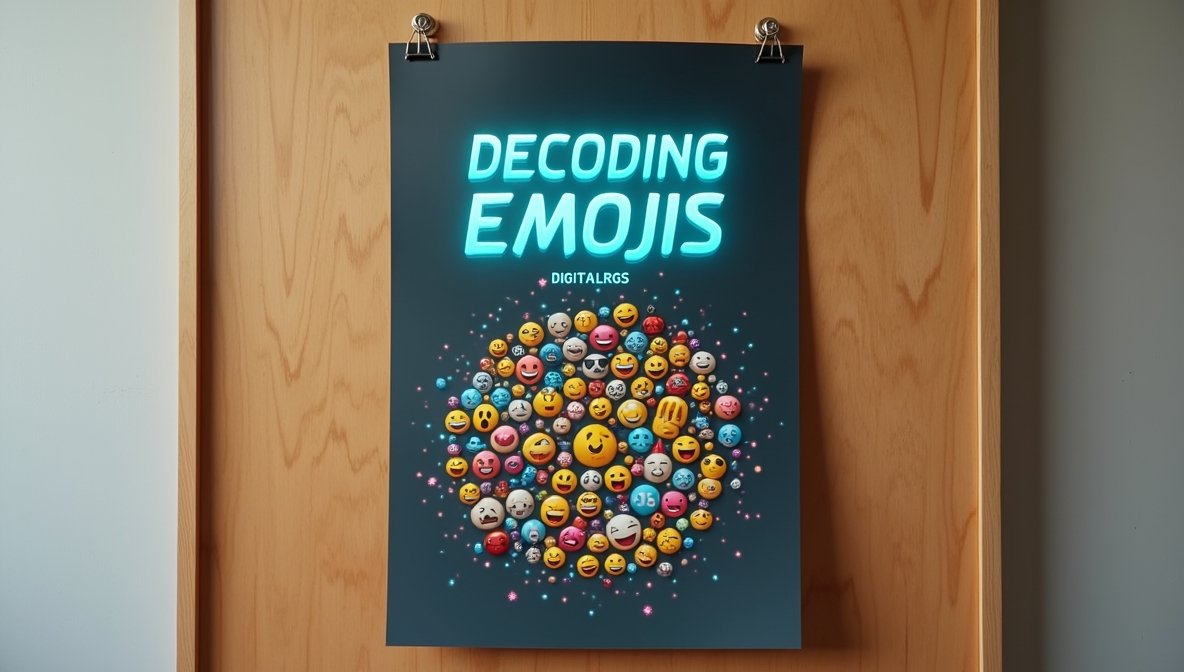
decoding emojis digitalrgs: Complete Guide to Understanding Modern Digital Communication
Digital communication has transformed dramatically over the past two decades. Messages that once relied solely on written words now include visual symbols that convey emotion, tone, and personality instantly. Among these symbols, emojis have emerged as one of the most powerful tools for expression in online conversations. They bridge language barriers, simplify emotional communication, and make digital interaction more human. durostech, lcfmodgeeks, aliensync, gfxpixelment.
As communication shifted from long-form writing to fast messaging platforms, users began searching for ways to express nuance without lengthy explanations. Emojis filled this gap by offering quick emotional cues that enhance understanding. The growing academic and social interest in decoding emojis digitalrgs reflects how people are attempting to better understand this visual language and its role in shaping modern conversations. uploadblog, nothing2hide, programgeeks
Unlike traditional punctuation, emojis carry cultural meaning, contextual interpretation, and personal expression. A single icon can represent humor, sarcasm, empathy, or celebration depending on how it is used. Understanding this evolving language requires examining technological development, human psychology, and social behavior together. mygreenbucks, meetshaxs, cloudysocial, designmode24. glossywise cloudysocial, logicalshout, Immorpos35.3, feedworldtech, thestripesblog, mygreenbucks, designmode24, wtgtechgeek, uploadblog.
The Evolution of Digital Symbols
The origins of emojis can be traced back to early internet communication. Before smartphones existed, users relied on simple text-based emoticons such as smiley faces created with keyboard characters. These early symbols helped express emotions that text alone struggled to convey.
With the rise of mobile devices and messaging applications, visual emojis replaced typed emoticons. Designers created standardized emoji libraries so users across different platforms could communicate visually without confusion. how to use snapchat filter digitalrgs
As emoji libraries expanded, so did their meanings. People began assigning layered interpretations to symbols based on context and culture. Conversations surrounding decoding emojis digitalrgs emerged as users attempted to interpret subtle emotional signals embedded within digital messages.
Today, emojis form a universal communication system used across social media, professional chats, and personal conversations. Their development reflects humanity’s constant desire to combine efficiency with emotional expression.
Why Humans Communicate Visually
Human communication has always relied on visual cues. Facial expressions, gestures, and body language play a crucial role in face-to-face conversations. Digital environments initially removed these cues, creating misunderstandings and emotional gaps.
Emojis restore some of these missing signals. They provide emotional clarity and reduce ambiguity, especially in short messages. Researchers studying decoding emojis digitalrgs often emphasize how emojis function as substitutes for nonverbal communication.
Visual communication also activates faster cognitive processing. The brain interprets images more quickly than written language, allowing emojis to communicate complex feelings instantly. This efficiency explains why emoji usage continues to grow worldwide.
Additionally, emojis help soften messages that might otherwise appear harsh or overly formal. A simple symbol can transform the tone of an entire conversation.
Emotional Expression in Online Conversations
Emotion is central to human interaction. Without emotional context, communication feels robotic and impersonal. Emojis introduce warmth and personality into digital exchanges.
Users frequently employ emojis to:
- Express happiness or excitement
- Show empathy or support
- Indicate humor or sarcasm
- Reduce tension during disagreements
Studies connected to decoding emojis digitalrgs reveal that emojis often influence how messages are perceived more than the words themselves. For example, a neutral statement paired with a smiling emoji may appear friendly, while the same statement without visual cues may seem distant.
This emotional layer strengthens relationships in online environments where physical presence is absent.
Cultural Interpretation of Emojis
Although emojis appear universal, their meanings vary across cultures and communities. A symbol interpreted positively in one region may carry a completely different meaning elsewhere.
Cultural context shapes emoji usage patterns. Younger generations often reinterpret emojis creatively, giving older symbols new meanings. Discussions about decoding emojis digitalrgs frequently focus on these evolving interpretations.
Global communication platforms encourage cultural blending, allowing emoji meanings to spread rapidly across borders. This continuous reinterpretation keeps emoji language dynamic rather than fixed.
Understanding cultural differences is essential for avoiding miscommunication in international conversations.
Emojis and Digital Identity
Online identity is increasingly shaped by communication style, including emoji usage. The emojis individuals choose often reflect personality traits, emotional tendencies, or social preferences.
Some users prefer minimal emoji use to appear professional, while others embrace expressive combinations to showcase creativity. Observations related to decoding emojis digitalrgs suggest that emoji patterns can act as subtle indicators of mood, humor style, and communication habits.
Emojis also help users establish belonging within online communities. Shared emoji usage creates familiarity and strengthens group identity.
Digital identity therefore extends beyond usernames and profile pictures into communication behavior itself.
The Psychology Behind Emoji Usage
Psychologically, emojis trigger emotional responses similar to real facial expressions. Neuroscience research shows that viewing expressive symbols activates areas of the brain associated with emotional recognition.
This explains why emojis can influence mood and engagement levels. Conversations enriched with emojis often feel more personal and engaging.
Experts examining decoding emojis digitalrgs note that emojis encourage empathy by simulating emotional presence. When users see supportive symbols, they perceive stronger emotional connection even in text-based interactions.
This psychological impact contributes to the widespread adoption of emojis across age groups and communication platforms.
Emojis in Professional Communication
Emojis are no longer limited to casual messaging. Many workplaces now incorporate emojis into professional communication channels to improve clarity and team interaction.
However, professional emoji use requires balance. Overuse may appear unprofessional, while strategic use can humanize workplace conversations.
Managers sometimes use emojis to:
- Encourage team morale
- Clarify tone in written feedback
- Reduce communication anxiety
Discussions around decoding emojis digitalrgs often explore how workplace norms are adapting to visual communication without sacrificing professionalism.
As remote work expands, emojis help replace informal social cues previously present in office environments.
Social Media Influence on Emoji Language
Social media platforms have accelerated emoji evolution. Viral trends frequently redefine how emojis are used and interpreted.
Memes, influencer culture, and online humor reshape emoji meanings rapidly. A symbol that once represented one emotion may acquire entirely new connotations through collective usage.
Research related to decoding emojis digitalrgs highlights how social media communities act as laboratories for linguistic experimentation.
These platforms allow users to innovate continuously, ensuring emoji language remains adaptable and culturally relevant.
Generational Differences in Emoji Interpretation
Different generations interpret emojis differently. Younger users often adopt ironic or humorous meanings, while older users may interpret symbols literally.
For example, certain emojis once considered friendly may now signal sarcasm among younger audiences. Understanding these differences is essential for effective communication across age groups.
Studies connected to decoding emojis digitalrgs reveal that generational interpretation is one of the most significant sources of digital miscommunication.
Awareness of audience expectations helps users communicate more effectively online.
Technological Design and Emoji Standardization
Behind every emoji lies a technical design process. International standards organizations ensure emojis display consistently across devices and platforms.
Designers must consider cultural neutrality, accessibility, and visual clarity when creating new emojis. This standardization allows global users to share common symbols.
Technical discussions about decoding emojis digitalrgs often examine how design decisions influence interpretation and usability.
As technology evolves, emoji libraries continue expanding to represent diverse identities, professions, and experiences.
The Future of Emoji Communication
The future of emoji communication is closely tied to emerging technologies such as augmented reality, artificial intelligence, and virtual environments.
AI systems may soon interpret emotional intent through emoji patterns, enhancing digital interaction. Virtual avatars could translate emojis into animated expressions during conversations.
Forward-looking conversations around decoding emojis digitalrgs explore how emojis may evolve into immersive communication tools rather than static icons.
As digital environments grow more interactive, emojis will likely become even more central to human expression.
FAQs
What are emojis used for in digital communication?
Emojis are visual symbols used to express emotions, tone, and intent in digital conversations, helping reduce misunderstandings in text-based communication.
Why do emojis have different meanings?
Emoji meanings change based on cultural context, age group, social trends, and individual interpretation within different communities.
Are emojis appropriate in professional settings?
Yes, when used appropriately. Moderate emoji use can humanize workplace communication and clarify emotional tone without reducing professionalism.
Do emojis affect how messages are perceived?
Yes, emojis significantly influence emotional interpretation and can change how readers understand the tone and intent of messages.
Will emojis continue evolving?
Emojis will likely expand with technological advancements, becoming more interactive through AI, virtual reality, and immersive communication systems.
Why is understanding emoji language important?
Understanding emoji language improves digital communication, reduces misinterpretation, and helps users connect more effectively across cultures and platforms.
Conclusion
Emojis have transformed digital communication into a richer, more expressive experience. They bridge emotional gaps created by text-based interaction and allow users to convey feelings instantly across languages and cultures.
From psychological influence to cultural evolution, emojis represent a new form of global language shaped collectively by users worldwide. Discussions surrounding decoding emojis digitalrgs demonstrate humanity’s growing interest in understanding how visual symbols influence communication behavior.
As technology advances, emojis will continue evolving alongside human interaction, shaping how people connect, collaborate, and express themselves in digital spaces. Understanding emoji language is no longer optional—it is an essential skill for navigating modern communication effectively.